
Welcome to Maykrolinc
45 Years Experience
Maykrol is an international distributor specializing in reinforcing fibers for concrete and asphalt, as well as steel products and innovative construction materials. Our company connects global manufacturing with construction markets, delivering high-performance materials that improve the durability, strength, and efficiency of modern infrastructure projects.
Maykrol focuses on supplying advanced reinforcement solutions used in the concrete and asphalt industries. Through international sourcing and strong supplier relationships, we provide high-quality materials at competitive prices to contractors, distributors, and industrial partners. Our expertise covers reinforcing fibers, steel products, and specialty materials used in a wide range of construction
Learn More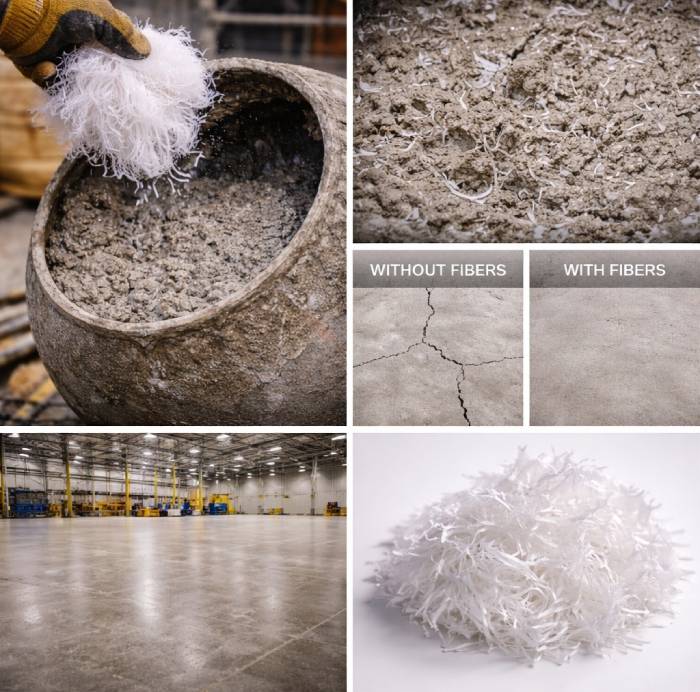
Welcome to Maykrolinc
45 Years Experience
Maykrol is an international distributor specializing in reinforcing fibers for concrete and asphalt, as well as steel products and innovative construction materials. Our company connects global manufacturing with construction markets, delivering high-performance materials that improve the durability, strength, and efficiency of modern infrastructure projects.
Maykrol focuses on supplying advanced reinforcement solutions used in the concrete and asphalt industries. Through international sourcing and strong supplier relationships, we provide high-quality materials at competitive prices to contractors, distributors, and industrial partners. Our expertise covers reinforcing fibers, steel products, and specialty materials used in a wide range of construction
Frequently Asked Questions